
Notes and Prototypes.
This is a central repository for my professional work and creative inquiries. A stream, a collection of attempts, a log of thinking out loud.
[Status Update] Reading: I Hear A New World // Learning: Obsidian // Watching: Widow’s Bay

You slip through the wall, falling into a maze of empty, yellow-hued corporate corridors that seem to stretch on forever. You are surrounded by nothing but the smell of damp carpet, the glare of uniform wallpaper, and the relentless, industrial hum of fluorescent lighting. This is the baseline reality of the Backrooms, a piece of vernacular digital culture that has struck such a deep nerve that a major cinematic adaptation is already underway. Kane Parson’s take on The Backrooms will soon be released via A24, and it looks to be a horrific encapsulation of the horror of the contemporary age.
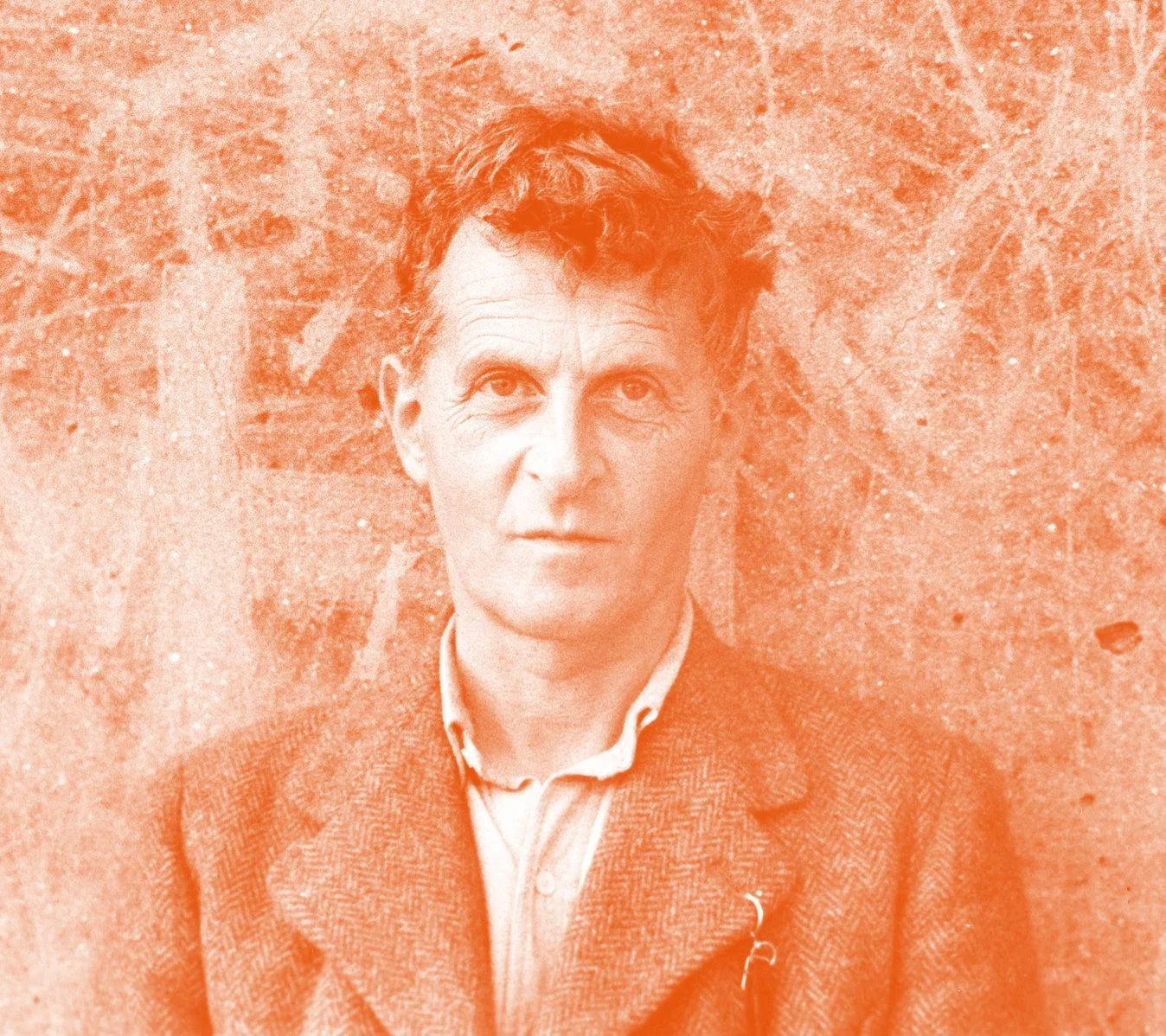
Wittgenstein produced two distinct masterpieces that completely revolutionised his field, where the second functioned as a methodical, unrelenting dismantling of the first. The arc of his thought was not a gradual evolution, but a radical recantation in which he constructed a flawless palace of pure logic, watched it shatter against ordinary life, and then spent his remaining years learning how to walk on the uneven ground below.
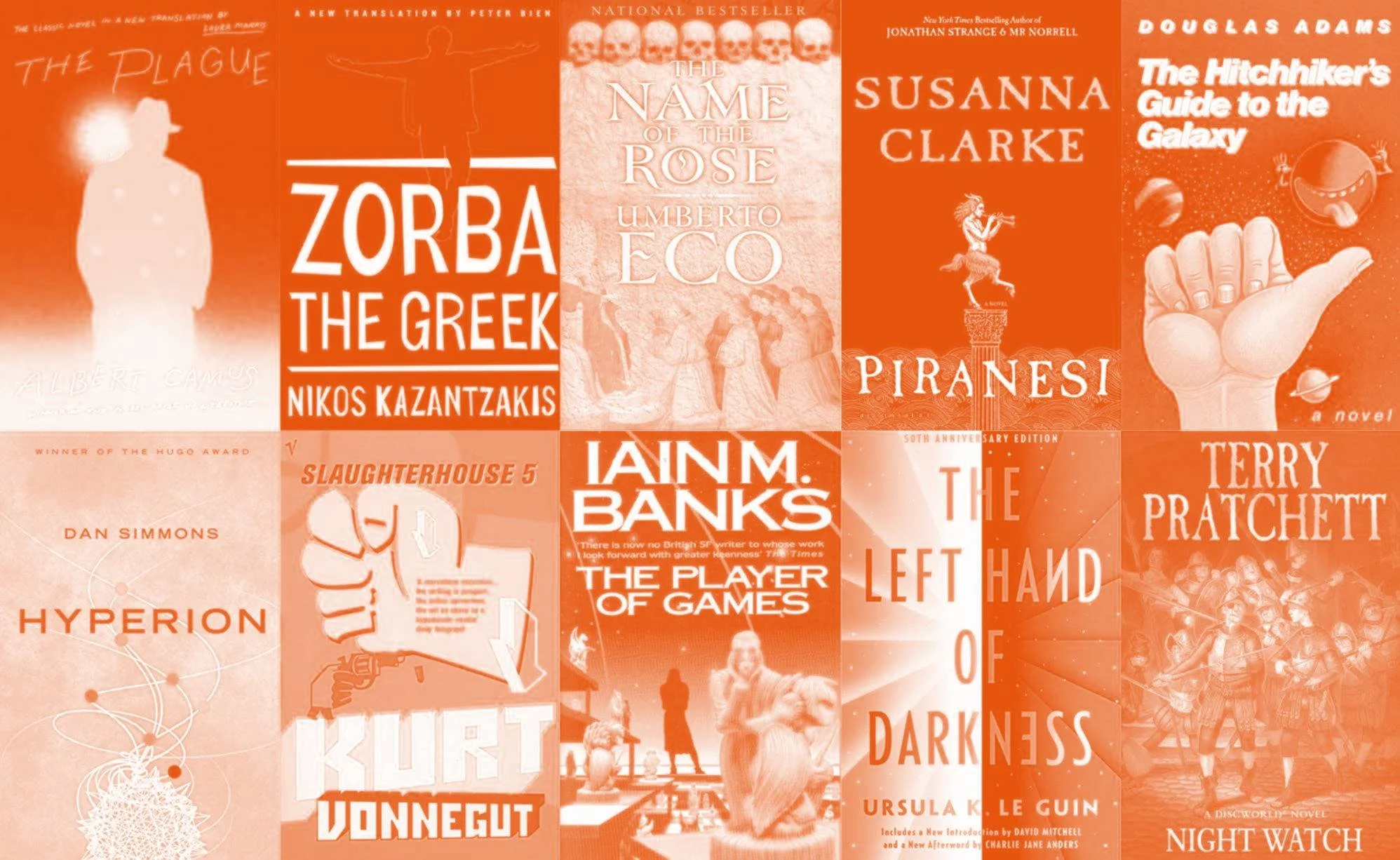
This week The Guardian published a list of the 100 Best Novels. They polled the great and the good of the world of literature, publishing, and authorship and asked a whole cavalcade of people to give their top 10’s.
I was not surveyed. More’s the pity. So I thought I would put together my own top 10 list, all the same.
A collection that explores the fundamental nature of philosophical inquiry, tracing how we define the boundaries of thought, language, and the self. This list offers a comprehensive framework for understanding how we construct meaning and reconcile our personal experience with the scientific and cultural images of the world.
A selection that explores the foundational and contemporary intersections of human existence and technical intervention. From ancient warnings regarding the externalisation of memory to modern critiques of surveillance capitalism and biotechnological ethics, these texts examine how tools shape our cognition, social structures, and moral landscapes.

A reading list tracing the path from established Critical Pedagogy to the emerging Post-Critical movement. Post-critical thought offers a subtle pivot, moving away from constant "debunking" toward a "pedagogical love" for the world. Together, these works challenge the "learnification" of schooling, arguing instead for education as a space of intellectual emancipation, ethical flourishing, and a radical defense of the school as a public good.
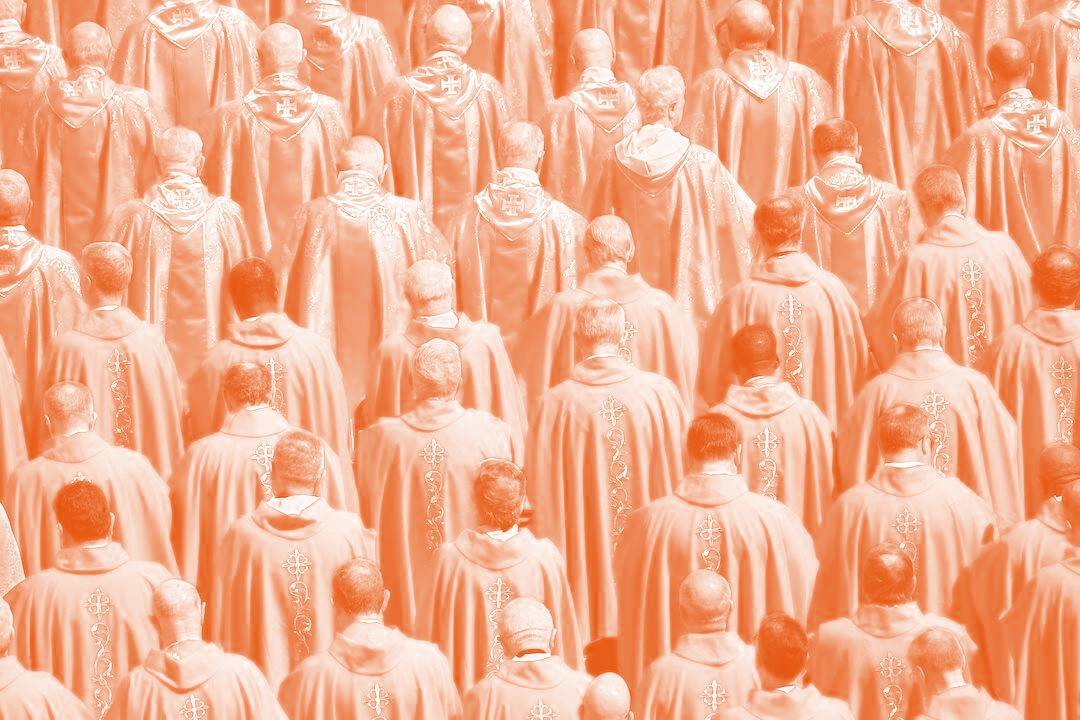
I’ve recently made some updates to my entry for last year’s Itch.io One Page RPG Jam, Habemus Papam!
It’s available via my Itch.io page (see the box above!) for a pay-what-you-want price.
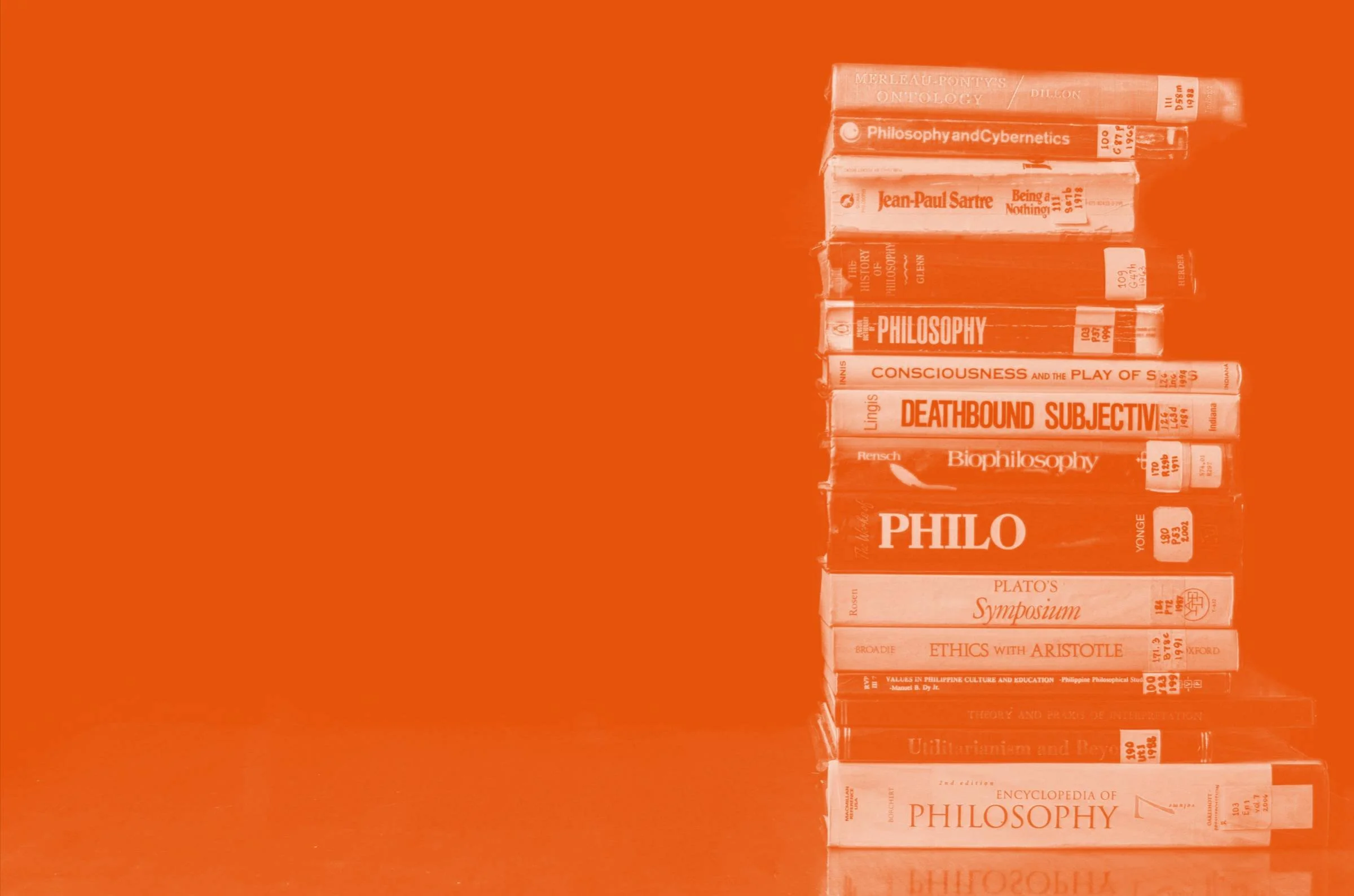
I get asked, very often, how to get started with philosophy. If you’re not taking a specific class or course, or learning from a teacher, it can be hard to know how to go about putting everything in a meaningful order or finding texts and resources that will work well as an entry point. There are probably as many ways to go about philosophy as there are people giving it a go, but I’ve put together an introductory list for someone looking to learn more about philosophy on their own time.

To say that school is for learning is to miss huge amounts of what school and education are really doing. Learning can happen in all kinds of places and in all kinds of ways - lots of modern technologies, from YouTube to AI, can be really valuable tools for learning. But that is different from education.
Learning is a part of education, but it's never the whole picture. The goal of learning is that we have some new knowledge or new skills, but the goal of education is connected with the kinds of lives we wish to live and the kind of world we wish to live in.
Hi.
As a Learning Experience Designer, I want to empower Change Agents in Education.
I can help you to deliver incredible workshops, train transformative teachers, build an inspiring curriculum, and design powerful learning experiences.